Why a Web Version of Phantom Wallet Changes the Solana NFT Game
- Uncategorized
- 20 March 2025
- casinobettips
- 0
Whoa! Okay, so check this out—I’ve been fiddling with Solana wallets for years, and a web-native vault for keys feels like the first useful UX leap in a while. My instinct said this would be clunky at first, but actually the experience surprised me. Early impressions matter when people are minting NFTs at 2x speed and gasless feeling, and somethin’ about instant browser-based access removes a big friction point. I’m biased, but I think a good web client can onboard folks faster than any tutorial or Discord link ever could.
Seriously? The idea sounds risky on paper. Browsers have a messy security history and extensions can be attacked. But here’s the thing. Modern browser security, hardware-backed keys, and improved session management together make a web Phantom viable in ways it wasn’t five years ago. Initially I thought users would never trust a web wallet for real value, but then I watched two friends buy NFTs from their phones without installing anything. Actually, wait—let me rephrase that: they clicked a link, connected, and owned an NFT within two minutes. That changed my read on user expectations.
Here’s what bugs me about the current app-first narrative. Mobile app downloads create an install wall. People lose momentum. A robust web option flips that script, letting collectors and creators join mid-flow, and that matters for NFT drops paced around minutes. On one hand this opens onboarding. On the other hand it creates new patterns for phishing and session abuse that deserve attention. My argument below walks through the trade-offs, practical tips, and what you should watch for when using the web Phantom wallet.
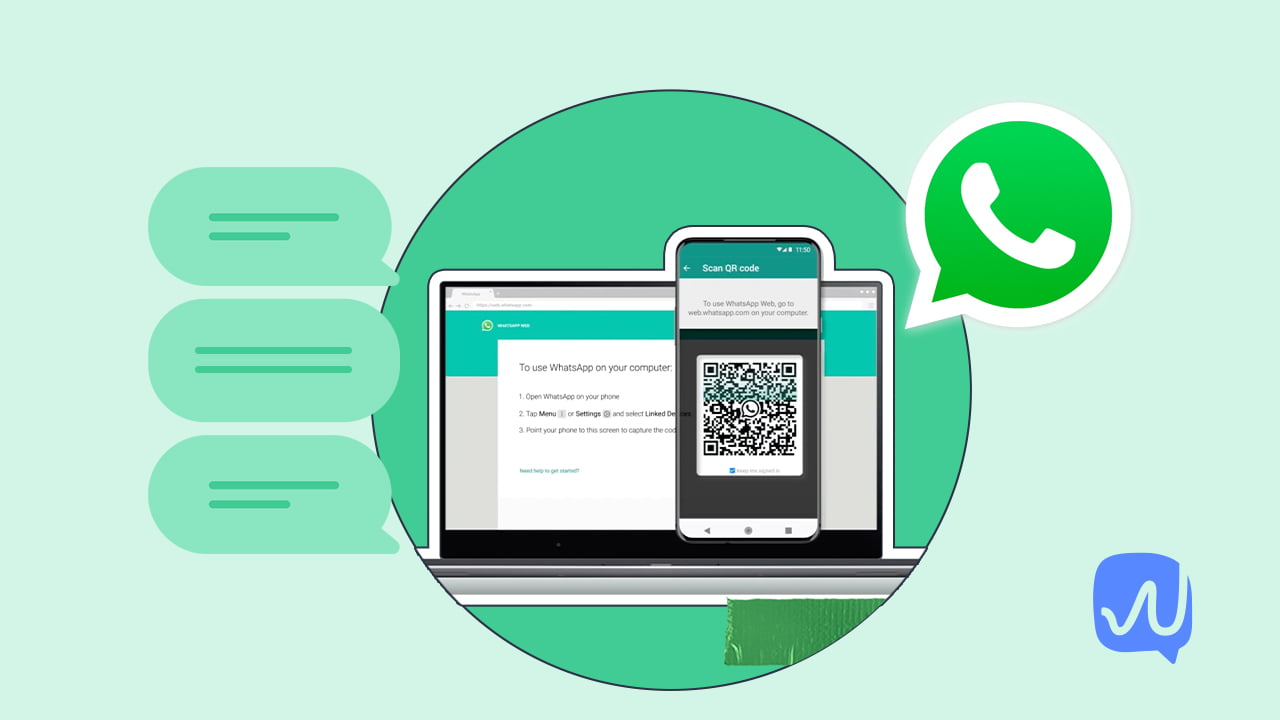
What a web Phantom wallet actually brings to the table
Speed. No download barrier means users can buy and sell with less friction. Security improvements. Web crypto used to be a soft target, but strong isolation and runtime signing help a lot. Developer friendliness. Creators can integrate wallet flows into landing pages and mint sites, making drop experiences far smoother. Community growth. Every successful, pain-free onboarding multiplies network effects, because more people talk about how easy it was. That cascade matters in consumer-driven markets like NFTs.
I’ll be honest—there are nuances. Some power users loathe anything web-based by default. They like cold storage and dedicated apps. Still, not everyone needs a hardware key to appreciate simple NFTs. My approach is pragmatic: match the tool to the user. Casual collectors get a safe web flow. Whale-level dealers keep hardware. This middle path is where growth lives.
How it works under the hood is worth a quick peek. A modern web wallet separates UI, session state, and signing keys. The UI runs in the browser while the key material either uses browser-managed secure enclaves or ephemeral session keys that sign only authorized transactions. That limits exposure. There are design patterns—like transaction previews, origin-bound sessions, and signing thresholds—that reduce risk substantially, though nothing is foolproof.
Security trade-offs and practical mitigations
Really? You should worry about phishing and clickjacking. Always. But panic isn’t productive.
Start with simple habits. Use unique recovery phrases and never paste them into a web form. Treat wallet pop-ups like permission dialogs on steroids; read them. Enable passphrases or secondary authentication when available. And back up seed material offline. These basics reduce most common losses.
On the technical side, prefer wallets that implement origin validation and explicit chain-specific confirmations. When a site asks to sign a transaction, the wallet should show clear human-readable breakdowns of what you’re permitting. If a web wallet supports session scoping—where permissions expire or are limited—that’s a huge plus. Developers should also adopt best practices: CORS restrictions, Content Security Policy, and signed metadata for mint pages.
One thing I keep nitpicking: UX sometimes hides subtle transaction risks behind friendly language—”Approve” instead of “Send tokens worth $X.” That bugs me. Good web wallets make amounts explicit, show token identifiers, and warn about delegate approvals. If your wallet doesn’t, consider switching. There, I said it.
Minting NFTs on Solana via the web — what changes
Mint flows get a makeover with a web wallet. For creators, it means lower bounce rates during drops. For collectors, fewer steps to secure a piece of art. The web flow often integrates card payments or walletless on-ramps, letting first-time buyers get an NFT before they fully grasp seed phrases. That flow boosts conversion—but it also increases the responsibility to educate buyers.
Developers should design mint sites that progressively disclose risk. For example, show a short modal explaining custody options before asking for a wallet connect. Offer a “try a test mint” sandbox. Provide clear links to education. Small touches like this cut refund requests and community grief later on.
Also: gas is cheap on Solana, so microtransactions feel natural. But cheap fees don’t negate the need for clear UX. Transaction queues, failed mints, and simultaneous drops can still create chaos. Robust web wallets handle nonce management gracefully and show real-time feedback. That reduces user anxiety considerably, which actually helps communities grow.
Integrations and the broader ecosystem
Whoa! Integration possibilities excite me.
Marketplaces can embed wallet flows directly into product pages. Social platforms can let creators accept tips or sell merch as NFTs without forcing users to install anything. Ticketing systems become smoother. The subtle benefit is lower cognitive load for mainstream users. If buying a concert ticket via a tweet requires zero installs, adoption climbs fast.
At the protocol level, Solana’s speed and low cost pair nicely with web wallets. But integration quality matters more than raw throughput. Sites that implement clear permission prompts and good error handling end up with higher retention. Also, open APIs and standard wallet adapters make life easier for devs and reduce fragmentation—a big win.
How I actually used a web Phantom wallet (short tale)
I’ll share a quick story. I once joined a small local artist drop from my laptop while on a coffee run. The mint page had a single “Connect with Phantom” button. I clicked, signed, and owned a piece before my latte cooled. It felt magical for a second, then a little scary. I closed the tab and checked the transaction history in another client. All good. The artist later messaged, “Wow, that was fast!”—and that delighted me because speed reduced friction for a real human. Small wins like that compound.
But there was a snag. I almost fell for a spoofed NFT page once—bad domain name, slightly off branding. My instinct said somethin’ was off, and I didn’t proceed. That gut check saved me. System 1 and System 2 together helped: a quick gut feeling, then a deliberate verification. Your users need both cues too.
Best practices for collectors and creators
Collectors: keep an emergency plan. Use a web wallet for convenience, but move high-value tokens to hardware when appropriate. Check the origin before approving anything. Pause before signing multi-token approvals. If you run a web wallet session, log out after drops because session cookies can be targeted.
Creators: simplify onboarding and educate. Offer easy help links on your mint page. Use readable permission prompts. Consider partnership programs with wallets to provide co-branded, trusted flows. And test your mint with real users—not just devs—because people do unexpected things.
Developers: build with the user in mind. Implement retry logic for failed transactions. Show clear transaction status. Don’t overwhelm the user with crypto jargon. That last bit matters more than you think.
Where to try it (and why I recommend this one)
Check out a well-designed web client like the phantom wallet option if you want a feel for what a polished experience looks like. It ties into common patterns, and it shows the promise of web-native flows without a heavyweight install. Try a low-stakes mint or a testnet flow first. No pressure. Get comfortable.
FAQ
Is a web wallet as secure as a desktop or mobile app?
Short answer: not always. Longer answer: security depends on implementation and user habits. A well-constructed web wallet with origin-bound sessions and strong signing UI can be very safe for day-to-day NFTs and small balances. For long-term, high-value storage, hardware remains the gold standard. I’m not 100% certain about every provider, so do your own checks.
What should I do if a site asks to “Approve all tokens”?
Don’t. Approvals that blanket all tokens create a big attack surface. Approve minimum necessary permissions and revoke them when done. Many wallets offer granular revocation interfaces—use them. If a site requires blanket permission, that’s a red flag in my book.
Can creators rely on web wallets to reduce drop friction?
Yes—if they pair the wallet with clear UX and education. Many creators see conversion lift when they remove install barriers, but success depends on the quality of the mint flow and the trust signals on the page. Test, and iterate rapidly.